



Gut Health Testing
What it is, when to do it, and what to do next
Your gut is home to trillions of bacteria, plus viruses and other microbes that together make up your gut microbiome. Far from being just a digestion system, the gut is in constant conversation with the rest of your body — influencing your immunity, mood, skin, sleep and energy levels.
Because the gut connects to so much, an imbalance in one place can show up somewhere unexpected. That’s why two people with very different complaints — say, low energy and troublesome skin — can both trace the cause back to the same digestive issue, from an overgrowth of unhelpful bacteria to an undiagnosed food-related condition.
Testing is the most direct way to see what’s actually happening inside your digestive system. It can reveal the make-up of your microbiome, flag inflammation or infection, and identify conditions like coeliac disease — replacing guesswork with measurable, personalised information you can act on.
Why test your gut health?
Pinpoint the cause
Bloating, cramps, fatigue and irregular digestion can come from a dozen different sources. Testing narrows it down — infection, inflammation, food intolerance or microbiome imbalance — so you stop guessing.
Catch issues early
Conditions like coeliac disease, H. pylori infection or inflammatory bowel disease can sit undiagnosed for years, often mistaken for IBS. Early data means earlier intervention.
Who should consider gut health testing?
You don’t need to be unwell to benefit from a gut test. Many people use one as a baseline check, especially when symptoms persist or they simply want to understand their digestive health better.
Anyone with persistent symptoms
Ongoing bloating, gas, constipation, diarrhoea, heartburn or cramps that don’t settle are worth investigating rather than living with.
People told they have IBS
IBS is often a diagnosis of exclusion. Testing can rule in or out conditions like coeliac disease or H. pylori that are frequently mistaken for it.
Those with wider unexplained symptoms
Fatigue, brain fog, skin problems or a weakened immune system can all trace back to gut health — making the digestive system a useful place to look.
Anyone optimising their health
A microbiome baseline, with personalised diet recommendations, helps you support energy, immunity and long-term wellbeing from the inside out.
People with a family history
Coeliac disease, inflammatory bowel disease and bowel cancer can run in families — a reason to test earlier and monitor more closely.
The main gut health markers we test
Most gut health testing focuses on a handful of biomarker groups. Understanding what each one does helps you choose the right test.
Microbiome composition
A deep dive into the bacteria, archaea and viruses living in your gut — the balance of which shapes digestion, immunity and much more.
Gut inflammation
Calprotectin is released when the gut lining is inflamed, helping distinguish inflammatory bowel disease from non-inflammatory causes like IBS.
Stomach & H. pylori
Markers that assess the stomach lining and detect H. pylori, a common bacterial infection linked to gastritis, ulcers and indigestion.
Bowel cancer screening
The qFIT test looks for tiny traces of blood in the stool that can be an early sign of bowel changes worth investigating further.
Coeliac & autoimmune
Coeliac disease is an immune reaction to gluten affecting around 1 in 100 people. Blood and genetic markers help identify it accurately.
Food sensitivity
Measures your body’s IgG response to a wide range of foods and drinks, helping identify items that may be contributing to symptoms.
Nutrition & lifestyle genetics
Your genes influence how you respond to different foods and nutrients. DNA insights help tailor diet and lifestyle to your biology.
Just what you need
Food Sensitivity Test
Test for sensitivities to over 200 foods and drinks and receive personalised insights to guide smarter food choices and ease discomfort.

Autoimmune Type 1 Diabetes and Coeliac Detection Panel
Identify your risk of Type 1 Diabetes and Coeliac Disease with advanced genetic testing and autoantibody screening. Detect early signs of autoimmune activity helping you stay informed about your long-term health.

H Pylori Breath Test
Identify if H. pylori infection could be the cause of digestive discomfort with a simple breath test.

Coeliac Disease Test
Identify genetic predisposition to Coeliac Disease with screening for the HLA-DQ risk marker. Ideal if you have a family history of Coeliac Disease.

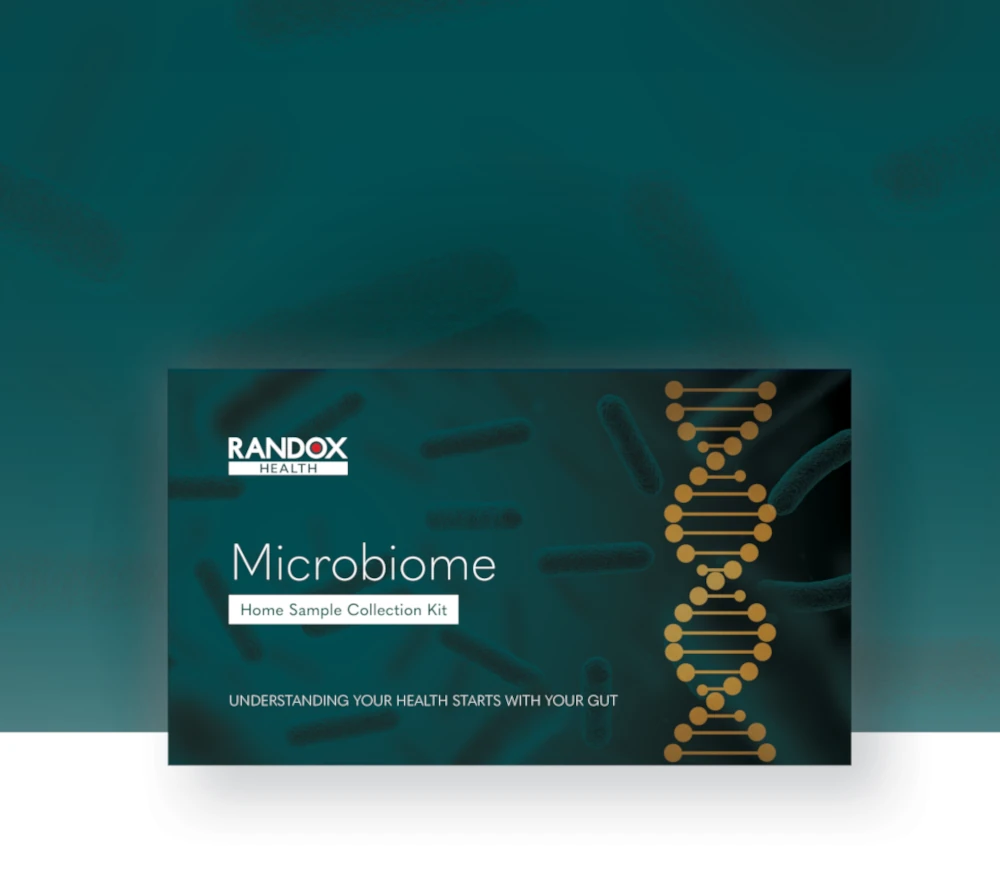
Gut Microbiome Test
Your gut affects digestion, mood, immunity & more. Discover your microbiome and get personalised insights to support your health from within.
Frequently Asked Questions
It depends on the test. The microbiome test uses a stool sample collected at home; the digestive health test combines a blood draw with a stool (qFIT) sample; and food sensitivity uses a small blood sample. Each kit comes with clear instructions.
Some tests need preparation. The clinic digestive health test asks you to fast for 6 hours and, if possible, to pause acid-reducing medications like omeprazole beforehand — this improves accuracy. The microbiome and food sensitivity tests don’t require fasting. Always check your kit instructions.
It varies by test. The clinic digestive health test returns results in around 5 working days and food sensitivity in 2–3 days, while the detailed microbiome analysis takes 4–6 weeks because of the depth of sequencing involved.
No. A food sensitivity (IgG) test is different from allergy testing, which measures IgE and diagnoses true allergies. Sensitivity results are best used as a guide alongside professional advice, not as a standalone diagnosis.
Your personalised report explains what each result means and suggests next steps — including diet recommendations for the microbiome test. For anything unusual you can discuss results with a Randox clinician, or take them to your GP for further investigation.
No. These tests are a valuable way to understand and screen your gut health, but they don’t replace investigations like a colonoscopy. If your results or symptoms warrant it, your clinician or GP can arrange the right specialist follow-up.
Yes — antibiotics, probiotics, acid-reducing medication and recent illness can all influence gut test results, especially the microbiome. Tell your clinician what you’re taking so your results can be interpreted correctly.
Additional Services
Mailing List
Find out about Randox Health new services, promotions and competitions first.Legal
Media
Follow Us
Get the App



© Copyright Randox Health London Ltd 2026. All rights Reserved.
Randox Health London Ltd uses the IP2Location LITE database for IP geolocation.