Main Menu



Novel Tests
Explore our research into novel biomarker testing
Amphiregulin
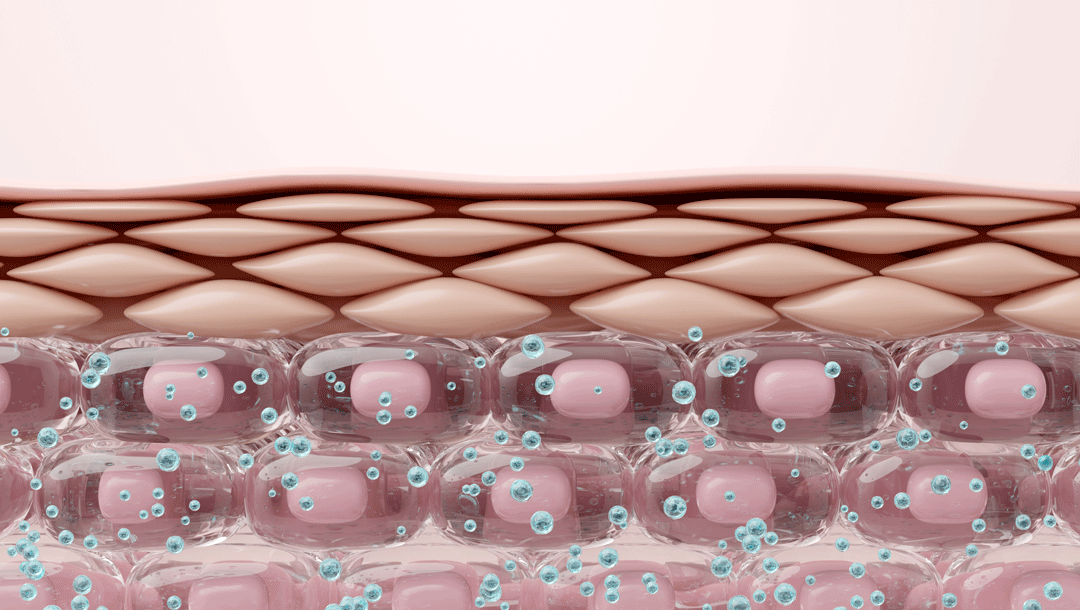
Amphiregulin is an important growth factor with roles in promoting cell growth, tissue repair and immunity. Amphiregulin is expressed in many tissues, including the breast, ovary, testis and lung, and appears to be important for breast development and ovarian function. Studies have suggested that amphiregulin expression is low under normal conditions but may be upregulated in response to disease or injury.
Why Amphiregulin matters
Increased amphiregulin expression may be protective, helping to repair tissue damage; however, continued over-expression and secretion of amphiregulin could contribute to uncontrolled cell growth and proliferation, factors that are associated with fibrosis, organ damage and tumour development. Increased amphiregulin expression has been observed in breast, ovarian, liver, lung and colorectal cancers. Amphiregulin measurement in the blood shows potential as a biomarker for cell growth, which could have relevance for cancer and conditions featuring fibrosis, such as liver disease.
Ready To Transform Your Laboratory Services?
Elevate your healthcare provider experience. Speak with us today to discuss your health service needs.
More Novel Tests
Heparin-Binding EGF-Like Growth Factor (HB-EGF)
arrow_forward_iosTransforming Growth Factor Alpha (TGF-α)
arrow_forward_iosDickkopf-1 (DKK-1)
arrow_forward_iosProgrammed Cell Death Protein 1 (PD-1)
arrow_forward_iosMesothelin
arrow_forward_iosSoluble Receptor for Advanced Glycation End Products (sRAGE)
arrow_forward_iosGalectin-3
arrow_forward_iosMonomeric CRP (mCRP)
arrow_forward_iosInterleukin-18 (IL-18)
arrow_forward_iosFree PSA Isoforms
arrow_forward_iosHER2 ECD
arrow_forward_iosPancreastatin
arrow_forward_iosPan-ProBNP
arrow_forward_iosReferences
Addison, C. L. (2010). Plasma transforming growth factor alpha and amphiregulin protein levels in NCIC clinical trials group BR.21. Journal of Clinical Oncology, 5247-5256.Awad, A. E. (2019). Dickkopf-1 and amphiregulin as novel biomarkers and potential targets in hepatocellular carcinoma. International Journal of Hematology-Oncology and Stem Cell Research, 153-163.Berasain, C. G. (2005). Novel role for amphiregulin in protection from liver injury. The Journal of Biological Chemistry, 19012-19020.Biro, F. M. (2017). Amphiregulin as a novel serum marker of puberty in girls. Journal of Pediatric and Adolsecent Gynecology, 535-539.Busser, B. S. (2011). The multiple roles of amphiregulin in human cancer. Biochimica et Biophysica Acta, 119-131.Carvalho, S. L. (2016). An antibody to amphiregulin, an abundant growth factor in patients' fluids, inhibits ovarian tumors. Oncogene, 438-447.Chayangsu, C. K. (2017). The correlations between serum amphiregulin and other clinicopathological factors in colorectal cancer. Journal of Gastrointestinal Oncology, 980-984.Chen, H. Q. (2017). Development and validation of a panel of five proteins as blood biomarkers for early detection of colorectal cancer. Clinical Epidemiology, 517-526.D'Antonio, A. L. (2002). Transforming growth factor alpha, amphiregulin and cripto-1 are frequently expressed in advanced human ovarian carcinomas. International Journal of Oncology, 941-948.Fang, L. S. (2023). The role of amphiregulin in ovarian function and disease. Cellular and Molecular Life Sciences, 60.Han, S. X. (2014). Expression and clinical significance of YAP, TAZ and AREG in hepatocellular carcinoma. Journal of Immunology Research, 261365.Hsu, C. Y. (2024). Amphiregulin in infectious diseases: role, mechanism, and potential therapeutic targets. Microbial Pathogenesis, 106463.Ishikawa, N. D. (2005). Increases of amphiregulin and transforming growth factor-alpha in serum as predictors of poor response to gefitinib among patients with advanced non-small cell lung cancers. Cancer Research, 9176-9184.Kjær, I. M. (2020). Dyregulated EGFR pathway in serum in early-stage breast cancer patients: a case control study. Scientific Reports, 6714.LaMarca, H. L. (2007). Estrogen regulation of mammary gland development and breast cancer: amphiregulin takes center stage. Breast Cancer Research, 304.Lamber, E. P. (2010). BRCA1 represses amphiregulin gene expression. Cancer Research, 996-1005.Peterson, E. A. (2012). Normal range of serum amphiregulin in healthy adult human females. Clinical Biochemistry, 460-463.Peterson, E. A. (2013). Evaluation of serum amphiregulin levels in breast cancer patients and cancer-free controls. Experimental Hematology & Oncology, 25.Qi, C. F. (1994). Expression of transforming growth factor alpha, amphiregulin and cripto-1 in human breast carcinomas. British Journal of Cancer, 903-910.SantamarÃa, E. R.(2019). The epidermal growth factor receptor ligand amphiregulin protects from cholestatic liver injury and regulates bile acids synthesis. Hepatology, 163-1647.Singh, S. S. (2022). Amphiregulin in cellular physiology, health, and disease: potential use as a biomarker and therapeutic target. Journal of Cellular Physiology, 1143-1156.Zaiss, D. M. (2015). Emerging functions of amphiregulin in orchestrating immunity, inflammation and tissue repair. Immunity, 216-226.
Additional Services
Mailing List
Find out about Randox Health new services, promotions and competitions first.Legal
Media
Follow Us
Get the App



© Copyright Randox Health London Ltd 2026. All rights Reserved.
Randox Health London Ltd uses the IP2Location LITE database for IP geolocation.