Main Menu



Novel Tests
Explore our research into novel biomarker testing
Galectin-3
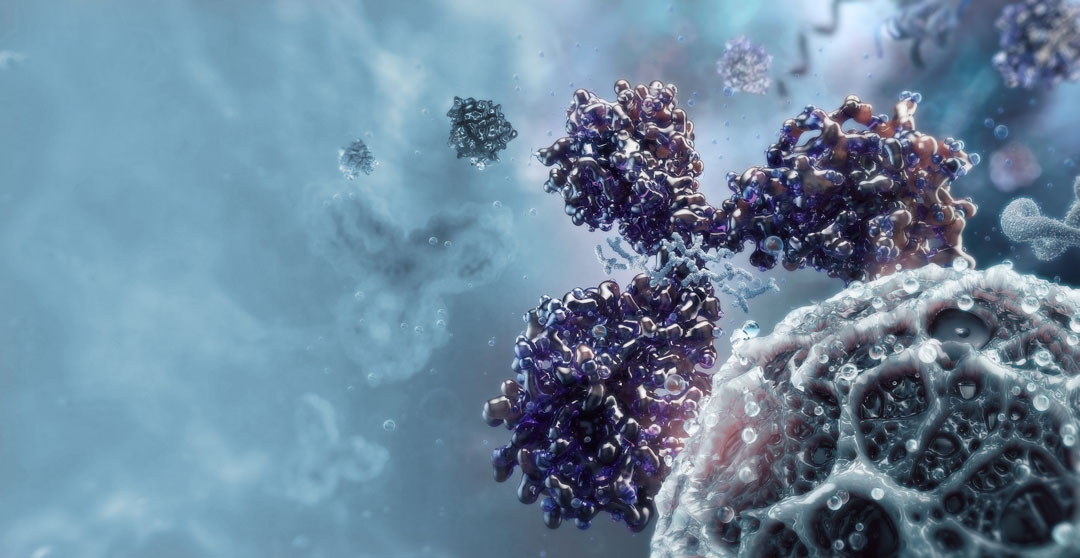
Galectin-3 is a member of the lectin family of adhesion molecules. Lectins are proteins that recognise and bind carbohydrates found on cell surfaces and other structures, enabling cells to interact with one another and with their surrounding environment. Through these interactions, galectins can influence cell functions, such as those involved in modulating immune and inflammatory responses. Galectin-3 is widely expressed by cells found throughout the body, including a wide range of white blood cells involved in host defence against infection, allergic inflammation and tissue repair.
Why Galectin-3 matters
Galectin-3 has been implicated as a key player in inflammation and fibrosis and is suggested to participate in the initiation and propagation of inflammation and tissue remodelling. Levels may be increased in conditions featuring chronic inflammation and fibrosis, such as obesity, diabetes, heart disease and kidney disease. Studies suggest that individuals with high galectin-3 levels are more likely to have a higher burden of cardiovascular and diabetes risk factors, including obesity, high blood pressure, high cholesterol and insulin resistance. In addition, high levels could indicate impaired kidney function and increased risk of developing chronic kidney disease.
Ready To Transform Your Laboratory Services?
Elevate your healthcare provider experience. Speak with us today to discuss your health service needs.
More Novel Tests
Amphiregulin
arrow_forward_iosHeparin-Binding EGF-Like Growth Factor (HB-EGF)
arrow_forward_iosTransforming Growth Factor Alpha (TGF-α)
arrow_forward_iosDickkopf-1 (DKK-1)
arrow_forward_iosProgrammed Cell Death Protein 1 (PD-1)
arrow_forward_iosMesothelin
arrow_forward_iosSoluble Receptor for Advanced Glycation End Products (sRAGE)
arrow_forward_iosMonomeric CRP (mCRP)
arrow_forward_iosInterleukin-18 (IL-18)
arrow_forward_iosFree PSA Isoforms
arrow_forward_iosHER2 ECD
arrow_forward_iosPancreastatin
arrow_forward_iosPan-ProBNP
arrow_forward_iosReferences
Atalar, M. N. (2019). Assessment of serum galectin-3, methylated arginine and hs-CRP levels in type 2 diabetes and prediabetes. Life Sciences, 116577.Bouffette, S. B. (2023). Targeting galectin-3 in inflammatory and fibrotic diseases. Trends in Pharmacological Sciences, 519-531.Chung, J. O. (2022). Plasma galectin-3 concentration and estimated glomerular filtration rate in patients with type 2 diabetes with and without albuminuria. Scientific Reports, 16328.Cummings, R. D. (2022). Galectins. In Essentials of Glycobiology (4th ed.). New York: Cold Spring Harbor Laboratory Press. doi:10.1101/glycobiology.4e.36de Boer, R. A. (2012). The fibrosis marker galectin-3 and outcome in the general population. Journal of Internal Medicince, 55-64.de Boer, R. A. (2015). State of the art: newer biomarkers in heart failure. European Journal of Heart Failure, 559-569.Drechsler, C. D. (2015). Galectin-3, renal function, and clinical outcomes: results from the LURIC and 4D studies. Journal of the American Society of Nephrology, 2213-2221.Echouffo-Tcheugui, J. B. (2024). Galectin-3, metabolic risk, and incident heart failure: The ARIC Study. Journal of the American Heart Association, e031607.Felker, G. M. (2012). Galectin-3 in ambulatory patients with heart failure: results from the HF-ACTION study. Circulation: Heart Failure, 72-78.Florido, R. K. (2022). Obesity, galectin-3, and incident heart failure: The ARIC Study. Journal of the American Heart Association, e023238.Hara, A. N. (2020). Galectin-3 as a next-generation biomarker for detecting early stages of various diseases. Biomolecules, 389.Ho, J. E. (2012). Galectin-3, a marker of cardiac fibrosis, predicts incident heart failure in the community. Journal of the American College of Cardiology, 1249-1256.Hodeib, H. H. (2019). Galectin-3 as a prognostic biomarker for diabetic nephropathy. Diabetes, Metabolic Syndrome and Obesity: Targets and Therapy, 325-331.Jiang, J. Y. (2022). Diagnostic value of serum concentration of galectin-3 in patients with heart failure with preserved ejection fraction. Frontiers in Cardiovascular Medicine, 829151.Lin, D. H. (2021). Galectin-3/adiponectin as a new biological indicator for assessing the risk of type 2 diabetes: a cross-sectional study in a community population. Aging, 15433-15443.Lisowska, A. K. (2016). Predictive value of galectin-3 for the occurrence of coronary artery disease and prognosis after myocardial infarction and its association with carotid IMT values in these patients: a mid-term prospective cohort study. Atherosclerosis, 309-317.Liu, F. T. (2023). The role of galectins in immunity and infection. Nature Reviews Immunology, 479-494.Madrigal-Matute, J. L. (2014). Galectin-3, a biomarker linking oxidative stress and inflammation with the clinical outcomes of patients with atherothrombosis. Journal of the American Heart Association, e000785.Maiolino, G. R. (2015). Galectin-3 predicts long-term cardiovascular death in high-risk patients with coronary artery disease. Arteriosclerosis, Thrombosis, and Vascular Biology, 725-732.McEvoy, J. W. (2016). Galectin-3 and risk of heart failure and death in blacks and whites. Journal of the American Heart Association, e003079.Mortensen, M. B. (2019). Negative risk markers for cardiovascular events in the elderly. Journal of the American College of Cardiology, 1-11.Nayor, M. W. (2015). Circulating galectin-3 is associated with cardiometabolic disease in the community. Journal of the American Heart Association, e002347.O'Seaghdha, C. M. (2013). Elevated galectin-3 precedes the development of CKD. Journal of the American Society of Nephrology, 1470-1477.Ozturk, D. C. (2015). Association between serum galectin-3 levels and coronary atherosclerosis and plaque burden/structure in patients with type 2 diabetes mellitus. Coronary Artery Disease, 396-401.Ozturk, H. A. (2025). Liver stiffness and serum galectin 3 level significantly increases in patients with prediabetes: a fibroscan study. PeerJ, e19377.Pang, J. N. (2016). Relationship of galectin-3 with obesity, IL-6, and CRP in women. Journal of Endocrinological Investigation, 1435-1443.Pricci, F. L. (2000). Role of galectin-3 as a receptor for advanced glycation end products. Kidney International, S31-S39.Rebholz, C. M. (2018). Plasma galectin-3 levels are associated with the risk of incident chronic kidney disease. Kidney International, 252-259.Tan, K. C. (2018). Galectin-3 is independently associated with progression of nephropathy in type 2 diabetes mellitus. Diabetologia, 1212-1219.Vora, A. (2019). Association of galectin-3 with diabetes mellitus in the Dallas Heart Study. The Journal of Clinical Endocrinology, 4449-4458.Yilmaz, H. C. (2015). Increased levels of galectin-3 were associated with prediabetes and diabetes: a new risk factor? Journal of Endocrinological Investigation, 527-533.
Additional Services
Mailing List
Find out about Randox Health new services, promotions and competitions first.Legal
Media
Follow Us
Get the App



© Copyright Randox Health London Ltd 2026. All rights Reserved.
Randox Health London Ltd uses the IP2Location LITE database for IP geolocation.