Main Menu



Novel Tests
Explore our research into novel biomarker testing
Pancreastatin
Pancreastatin is a peptide derived from chromogranin A, an established biomarker used in the assessment and monitoring of neuroendocrine tumours (NETs). Produced by neuroendocrine cells, pancreastatin has shown potential as a blood-based biomarker for NET detection, monitoring and prognosis. It may also influence blood glucose regulation through its effects on insulin secretion and insulin resistance.
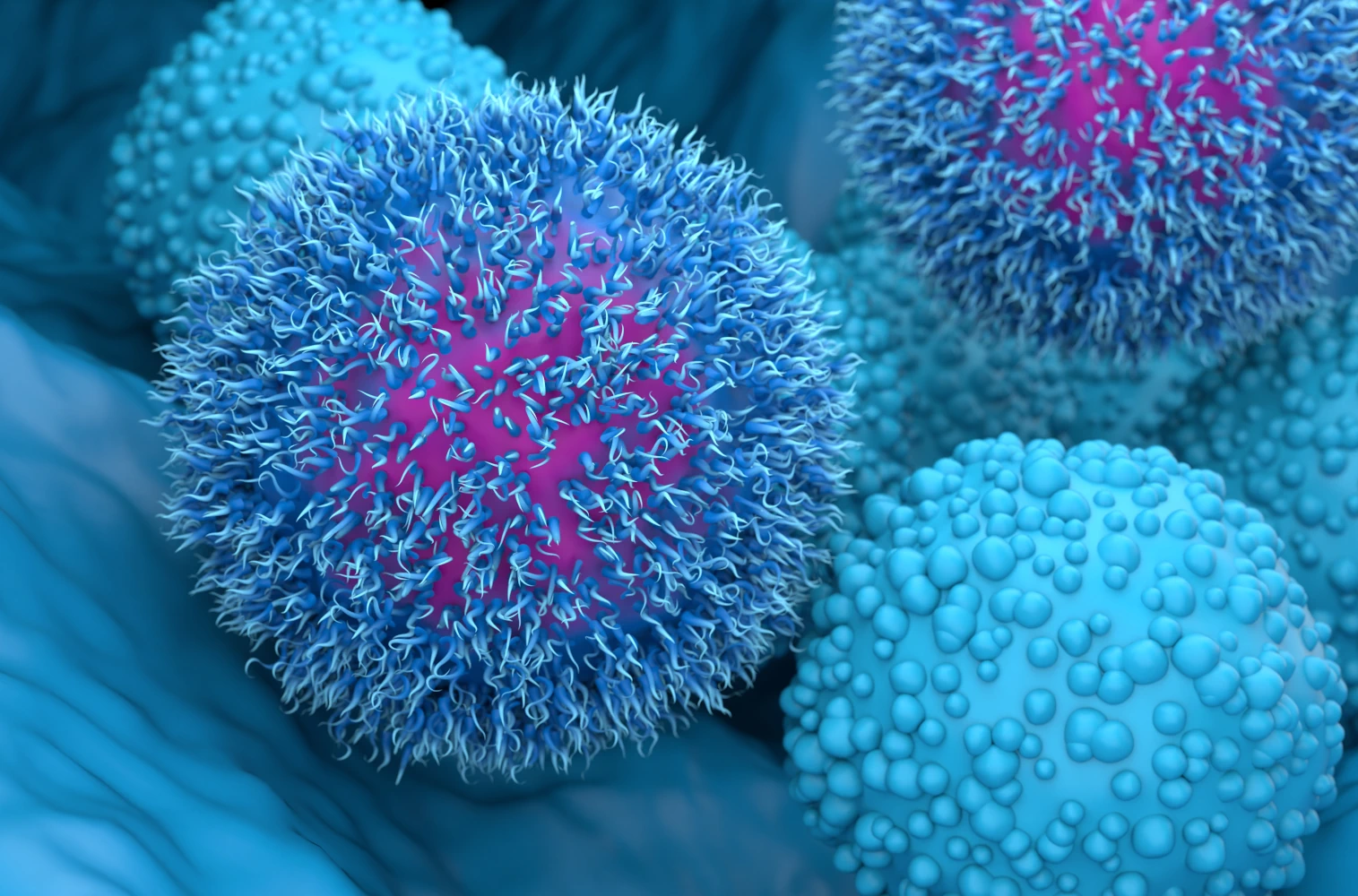
Why Pancreastatin matters
Pancreastatin levels can be elevated in patients with neuroendocrine tumours, and measurement may help support their diagnosis and monitoring. Unlike chromogranin A, pancreastatin levels are not affected by proton pump inhibitors, medicines commonly used to reduce stomach acid. This may make it a more reliable biomarker in some clinical situations. Elevated pancreastatin levels have also been reported in people with diabetes and may reflect metabolic stress associated with insulin resistance. However, its role in human diabetes is not yet fully understood and requires further investigation.
Ready To Transform Your Laboratory Services?
Elevate your healthcare provider experience. Speak with us today to discuss your health service needs.
More Novel Tests
Amphiregulin
arrow_forward_iosHeparin-Binding EGF-Like Growth Factor (HB-EGF)
arrow_forward_iosTransforming Growth Factor Alpha (TGF-α)
arrow_forward_iosDickkopf-1 (DKK-1)
arrow_forward_iosProgrammed Cell Death Protein 1 (PD-1)
arrow_forward_iosMesothelin
arrow_forward_iosSoluble Receptor for Advanced Glycation End Products (sRAGE)
arrow_forward_iosGalectin-3
arrow_forward_iosMonomeric CRP (mCRP)
arrow_forward_iosInterleukin-18 (IL-18)
arrow_forward_iosFree PSA Isoforms
arrow_forward_iosHER2 ECD
arrow_forward_iosPan-ProBNP
arrow_forward_iosReferences
Bandyopadhyay, G. K. (2015). Pancreastatin-dependent inflammatory signaling mediates obesity-induced insulin resistance. Diabetes, 64(1), 104-116. Calhoun, K. (2003). Serum peptide profiles in patients with carcinoid tumors. American Journal of Surgery, 186(1), 28-31. Chang, J. (2026). Risk factors and prognosis of peritoneal metastases in small bowel neuroendocrine tumor patients. Annals of Surgical Oncology, 33(1), 265-274. Funakoshi, A. (1990). Elevated plasma levels of pancreastatin (PST) in patients with non-insulin-dependent diabetes mellitus (NIDDM). Regulatory Peptides, 30(2), 159-164. Garg, R. (2023). Pancreastatin inhibitor PSTi8 ameliorates insulin resistance by decreasing fat accumulation and oxidative stress in high-fat diet-fed mice. Amino Acids, 55(11), 1587-1600. Garg, R. (2023). Pancreastatin inhibitor PSTi8 ameliorates streptozotocin-induced diabetes by suppressing hepatic glucose production. European Journal of Pharmacology, 944, 175559. Hossain, Z. (2018). Discovery of pancreastatin inhibitor PSTi8 for the treatment of insulin resistance and diabetes: studies in rodent models of diabetes mellitus. Scientific Reports, 8(1), 8715. Ito, T. (2012). Serum pancreastatin: the long sought universal, sensitive, specific tumor marker for neuroendocrine tumors? Pancreas, 41(4), 505-507. Maj, M. (2025). A complex role of chromogranin A and its peptides in inflammation, autoimmunity, and infections. Frontiers in Immunology, 16, 1567874. O'Connor, D. T. (2005). Pancreastatin: multiple actions of human intermediary metabolism in vivo, variation in disease, and naturally occurring functional genetic polymorphism. The Journal of Clinical Endocrinology & Metabolism, 90(9), 5414-5425. Raines, D. (2012). A prospective evaluation of the effect of chronic proton pump inhibitor use on plasma biomarker levels in humans. Pancreas, 41(4), 508-511. Rustagi, S. (2013). Serum pancreastatin: the next predictive neuroendocrine tumor marker. Journal of Surgical Oncology, 108(2), 126-128. Sánchez-Margalet, V. (2010). Metabolic effects and mechanism of action of the chromogranin A-derived peptide pancreastatin. Regulatory Peptides, 161(1-3), 8-14. Sánchez-Margalet, V. (1998). Increased plasma pancreastatin-like levels in gestational diabetes: correlation with catecholamine levels. Diabetes Care, 21(11), 1951-1954. Sánchez-Margalet, V. (1995). Increased plasma pancreastatin-like immunoreactivity levels in non-obese patients with essential hypertension. Journal of Hypertension, 13(2), 251-258. Sherman, S. K. (2014). Pancreastatin predicts survival in neuroendocrine tumors. Annals of Surgical Oncology, 21(9), 2971-1980. Stronge, R. L. (2008). A rapid rise in circulating pancreastatin in response to somatostatin analogue therapy is associated with poor survival in patients with neuroendocrine tumours. Annals of Clinical Biochemistry, 45(6), 560-566. Syversen, U. (1993). Chromogranin A and pancreastatin-like immunoreactivity in serum gastrinoma patients. Acta Oncologica, 32(2), 161-165. Unal Kocabas, G. (2024). The association of plasma pancreastatin levels with insulin resistance in patients with gestational diabetes mellitus. Obstetric Medicine, 17(4), 221-225. Woltering, E. A. (2016). Elevated plasma pancreastatin, but not chromogranin A, predicts survival in neuroendocrine tumors of the duodenum. Journal of the American College of Surgeons, 222(4), 534-542.
Additional Services
Mailing List
Find out about Randox Health new services, promotions and competitions first.Legal
Media
Follow Us
Get the App



© Copyright Randox Health London Ltd 2026. All rights Reserved.
Randox Health London Ltd uses the IP2Location LITE database for IP geolocation.