


Novel Tests
Explore our research into novel biomarker testing
Fibroblast Growth Factor 21 (FGF21)
Fibroblast Growth Factor 21 (FGF21) is a hormone produced primarily by the liver that plays an important role in regulating glucose and lipid metabolism, insulin sensitivity and energy balance. FGF21 production increases in response to metabolic stress, including fasting and changes in nutrient intake. Research suggests that FGF21 may have protective metabolic effects, helping to improve insulin sensitivity and regulate fat accumulation.
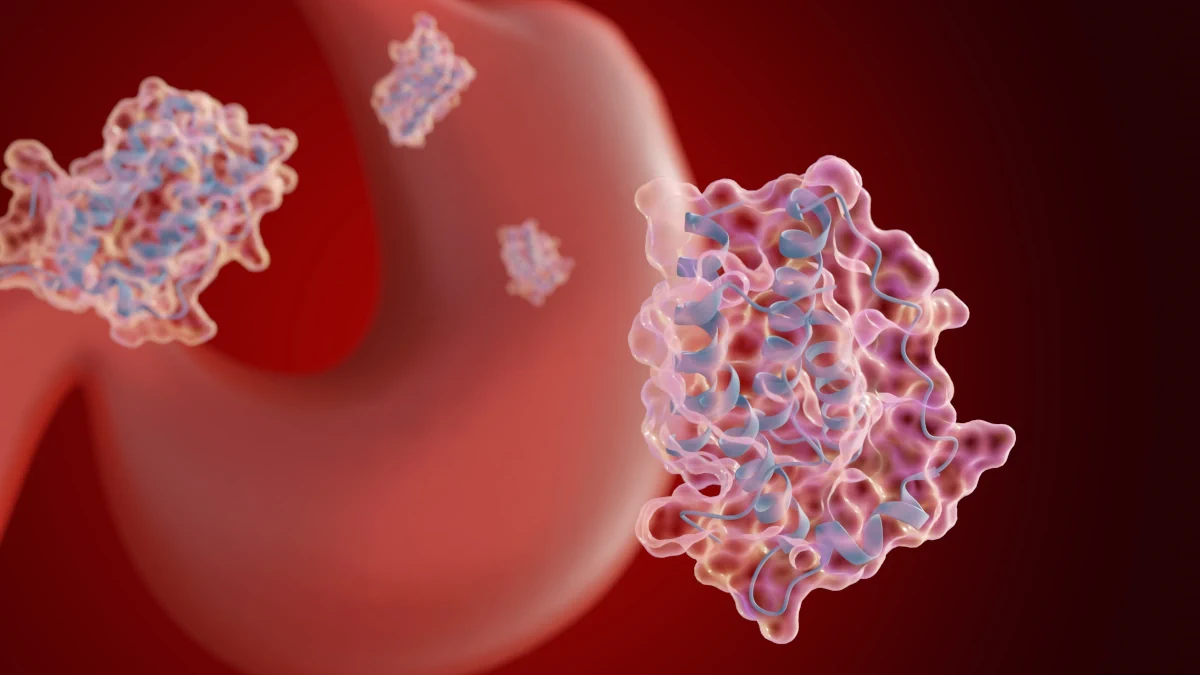
Why Fibroblast Growth Factor 21 (FGF21) matters
Elevated FGF21 levels have been observed in individuals with obesity, metabolic syndrome, type 2 diabetes and metabolic dysfunction-associated steatotic liver disease (MASLD). Higher concentrations have also been associated with cardiovascular risk factors, including hypertension, dyslipidaemia and atherosclerosis. These findings suggest that increased FGF21 may reflect the body's compensatory response to metabolic dysfunction. FGF21 measurement shows potential as a biomarker of metabolic health, particularly in assessing liver fat accumulation, insulin resistance and the risk of metabolic disease. Research has also demonstrated associations between changes in circulating FGF21 and liver fat content, highlighting its potential relevance to non-invasive liver health assessment. Further research is needed to establish its clinical applications.
Ready To Transform Your Laboratory Services?
Elevate your healthcare provider experience. Speak with us today to discuss your health service needs.
More Novel Tests
Amphiregulin
arrow_forward_iosHeparin-Binding EGF-Like Growth Factor (HB-EGF)
arrow_forward_iosTransforming Growth Factor Alpha (TGF-α)
arrow_forward_iosDickkopf-1 (DKK-1)
arrow_forward_iosProgrammed Cell Death Protein 1 (PD-1)
arrow_forward_iosMesothelin
arrow_forward_iosSoluble Receptor for Advanced Glycation End Products (sRAGE)
arrow_forward_iosGalectin-3
arrow_forward_iosMonomeric CRP (mCRP)
arrow_forward_iosInterleukin-18 (IL-18)
arrow_forward_iosFree PSA Isoforms
arrow_forward_iosHER2 ECD
arrow_forward_iosPancreastatin
arrow_forward_iosPan-ProBNP
arrow_forward_iosReferences
BonDurant, L. D. (2018). Fibroblast growth factor 21: a versatile regulator of metabolic homeostasis. Annual Review of Nutrition, 38, 173-196. Chavez, A. O.-C.-G. (2009). Circulating fibroblast growth factor-21 is elevated in impaired glucose tolerance and type 2 diabetes and correlates with muscle and hepatic insulin resistance. Diabetes Care, 32(8), 1542-1546. Chen, C. C. (2011). High plasma level of fibroblast growth factor 21 is an independent predictor of type 2 diabetes: a 5.4 year population-based prospective study in Chinese subjects. Diabetes Care, 34(9), 2113-2115. Chow, W. S. (2013). Serum fibroblast growth factor-21 levels are associated with carotid atherosclerosis independent of established cardiovascular risk factors. Arteriosclerosis, Thrombosis, and Vascular Biolgy, 33(10), 2454-2459. Cui, X. S. (2025). Targeting fibroblast growth factor (FGF)-21: a promising strategy for meabolic dysfunction-associated steatotic liver disease treatment. Frontiers in Pharmacology, 16. Desai, B. N.-F. (2017). Fibroblast growth factor 21 (FGF21) is robustly induced by ethanol and has a protective role in ethanol associated liver injury. Molecular Metabolism, 6(11), 1395-1406. Fisher, F. M.-F. (2010). Obesity is a fibroblast growth factor 21 (FGF21)-resistant state. Diabetes, 59(11), 2781-2789. Flippo, K. H. (2021). Metabolic messengers: FGF21. Nature Metabolism, 3(3), 309-317. Harrison, S. A. (2024). FGF21 agonists: an emerging therapeutic for metabolic dysfunction-associated steatohepatitis and beyond. Journal of Hepatology, 81(3), 562-576. Li, H. F. (2010). Fibroblast growth factor 21 levels are increased in nonalcoholic fatty liver disease patients and are correlated with hepatic triglyceride. Journal of Hepatology, 53(5), 934-940. Lin, Z. W. (2010). Serum levels of FGF21 are increased in coronary heart disease patients and are independently associated with adverse lipid profile. PloS One, 5(12), e15534. Lu, W. L. (2021). FGF21 in obesity and cancer: new insights. Cancer Letters, 499, 5-13. Lundsgaard, A. M. (2016). Circulating FGF21 in humans is potently induced by short term overfeeding of carbohydrates. Molecular Metabolism, 6(1), 22-29. Ong, K. L. (2019). Association of elevated circulating fibroblast growth factor 21 levels with prevalent and incident metabolic syndrome: The Multi-Ethnic Study of Atherosclerosis. Atherosclerosis, 281, 200-206. Post, A. D. (2023). Circulating FGF21 concentration, fasting plasma glucose, and the risk of type 2 diabetes: results from the PREVEND study. The Journal of Clinical Endocrinology and Metabolism, 108(6), 1387-1393. Ren, Y. Z. (2022). Adipokines, hepatokines and myokines: focus on their role and molecular mechanisms in adipose tissue inflammation. Frontiers in Endocrinology, 13. Semba, R. D. (2012). Relationship of serum fibroblast growth factor 21 with abnormal glucose metabolism and insulin resistance: the Baltimore Longitudinal Study of Aging. The Journal of Clinical Endocrinology and Metabolism, 97(4), 1375-1382. Semba, R. D. (2013). Elevated serum fibroblast growth factor 21 is associated with hypertension in community-dwelling adults. Journal of Human Hypertension, 27(6), 397-399. Shen, J. C. (2012). Non-invasvie diagnosis of non-alcoholic steatohepatitis by combined serum biomarkers. Journal of Hepatology, 56(6), 1363-1370. Tezze, C. R. (2019). FGF21 as modulator of metabolism in health and disease. Frontiers in Physiology, 10, 419. Velingkar, A. V. (2023). Fibroblast growth factor 21 as a potential master regulator in metabolic disorders. American Journal of Physiology, 324(5), E409-E424. Wu, G. L. (2017). Complementary role of fibroblast growth factor 21 and cytokeratin 18 in monitoring the different stages of nonalcoholic fatty liver disease. Scientific Reports, 7(1), 5095. Wu, L. Q. (2020). Fibroblast growth factor 21 is related to atherosclerosis independent of nonalcoholic fatty liver disease and predicts atherosclerotic cardiovascular events. Journal of the American Heart Association, e015226. Xiao, F. S. (2021). Dose-response relationship between serum fibroblast growth factor 21 and liver fat content in non-alcoholic fatty liver disease. Diabetes & Metabolism, 47(6), 101221. Yang, M. L. (2023). Fibroblast growth factor 21 in metabolic syndrome. Frontiers in Endocrinology, 14(1220426). Yang, M. X. (2015). Combined serum biomarkers in non-invasive diagnosis of non-alcoholic steatohepatitis. PloS One, 10(6), e0131664. Yilmaz, Y. &. (2012). Identification of a support vector machine-based biomarker panel with high sensitivity and specificity for nonalcoholic steatohepatits. Clinica Chimica Acta, 414, 154-157. Zhang, X. Y. (2008). Serum FGF21 levels are increased in obesity and are independently associated with the metabolic syndrome in humans. Diabetes, 57(5), 1246-1253. Zhen, J. L. (2025). Circulating fibroblast growth factor 21 is associated with blood pressure in the Chinese population: a community-based study. Annals of Medicine, 57(1).
Additional Services
Mailing List
Find out about Randox Health new services, promotions and competitions first.Legal
Media
Follow Us
Get the App



© Copyright Randox Health London Ltd 2026. All rights Reserved.
Randox Health London Ltd uses the IP2Location LITE database for IP geolocation.